Quilt Thread Explained: Thread Weight, Types, and How to Choose the Best Thread for Quilting
If you’ve ever looked at a cone of thread and wondered what on earth 40wt, 50wt, or 60wt means, you’re not alone.
Thread has weight. Even if it looks as light as a feather, it can be measured. It’s a little like people… some of us carry more weight than others! (I’ll leave it there before I get myself into trouble.)
The thread you choose for your quilt makes a surprising difference to the final result. It affects how your quilting looks, how your machine behaves, and ultimately how long your quilt will last.
Some threads create stunning decorative effects but begin to fall apart after a few washes. Others are made to last for generations. Some cost next to nothing, while others require what feels like a second mortgage.
You get the idea—good quality thread matters.
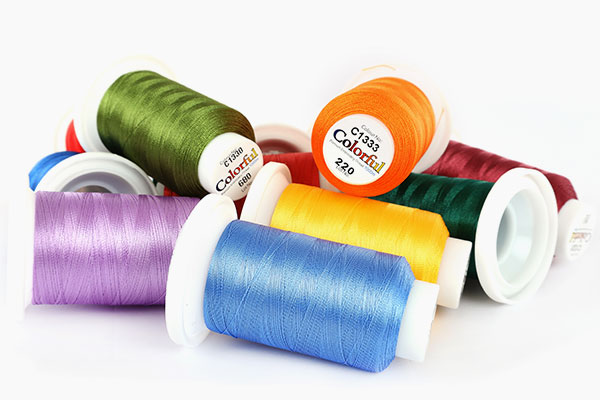
That doesn’t necessarily mean it has to be expensive. China, for example, manufactures some excellent threads (yes, I heard that giggle). One of my favourites is Colorful, a trilobal polyester thread made in China that performs beautifully on my longarm.
That said, there are also bargain-bin threads that simply aren’t worth putting into a quilt you’ve spent hundreds of hours creating. Life’s too short for lint, breakages, and thread nests.
Superior… but Pricey
I’ve completely fallen in love with Monopoly from Superior Threads.
Unfortunately, my wallet hasn’t.
At the time of writing, a 9,000 metre cone costs around R500. When you work it out, that’s roughly 5 cents per metre, which actually isn’t terrible considering how far a cone goes.
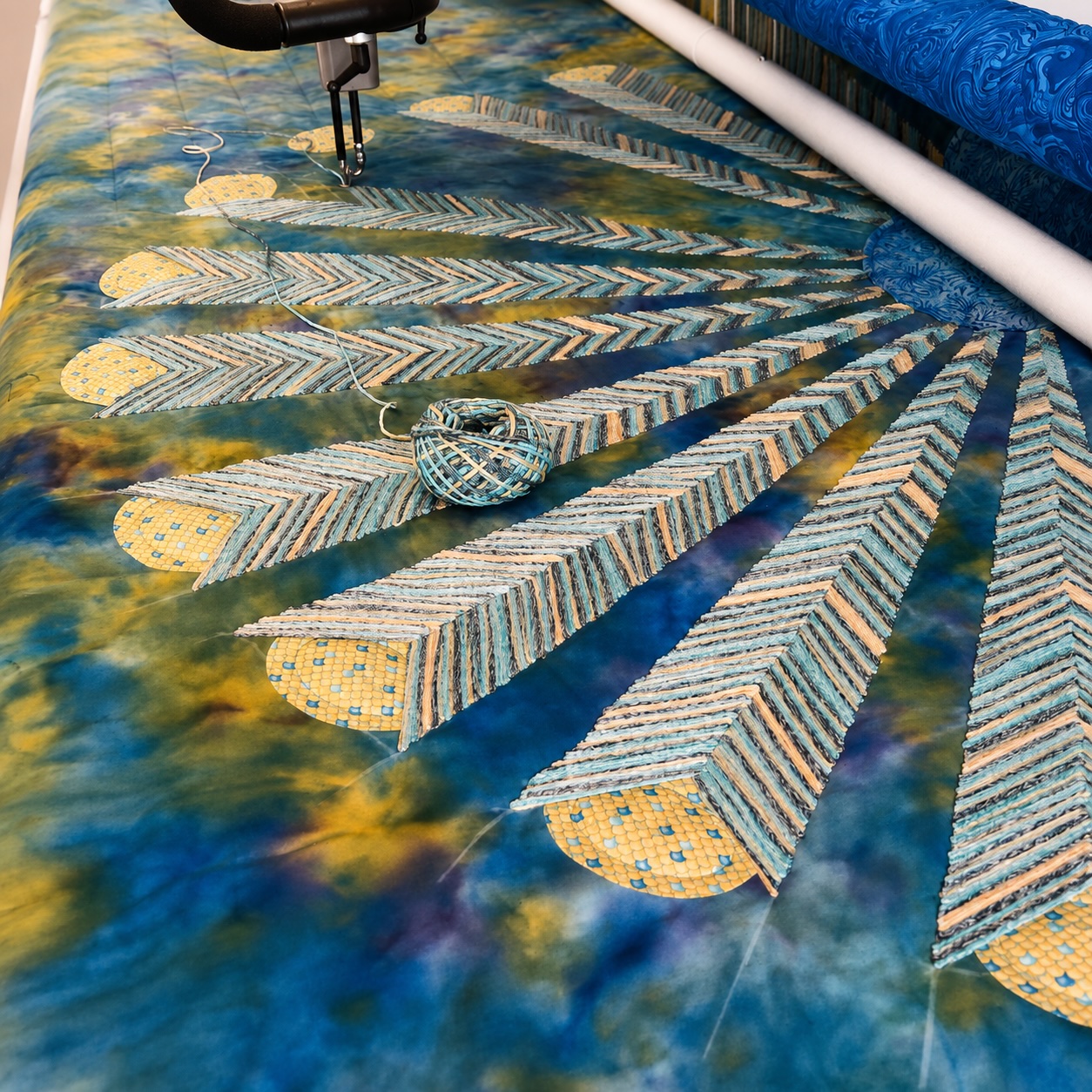
I mostly use Monopoly for couching. Because it’s a clear monofilament thread, it disappears into the yarn, meaning I don’t have to constantly change thread colours—especially useful when I’m working with variegated yarns.
If you’re lucky enough to own a Handi Quilter machine, you’ve probably received a few Superior Threads samples with it. (Superior Threads is part of the Handi Quilter family.)
I guarded those sample spools like they were made of gold.
Their So Fine! thread really is… well… so fine.
So… What Does 40wt or 60wt Actually Mean?
Here’s where thread gets confusing.
Most people assume a bigger number means a thicker thread.
It’s actually the exact opposite.
Thread weight is determined by how many kilometres of thread are required to weigh one kilogram.
- 20wt = 20 km weighs 1 kg
- 30wt = 30 km weighs 1 kg
- 40wt = 40 km weighs 1 kg
- 50wt = 50 km weighs 1 kg
- 60wt = 60 km weighs 1 kg
See the pattern?
The smaller the number, the thicker and heavier the thread.
The larger the number, the finer the thread.
So:
- 20wt = thick and bold
- 30wt = still quite heavy
- 40wt = a versatile all-rounder
- 50wt = fine
- 60wt = very fine
Why Does Thread Weight Matter?
Different thread weights create completely different effects.
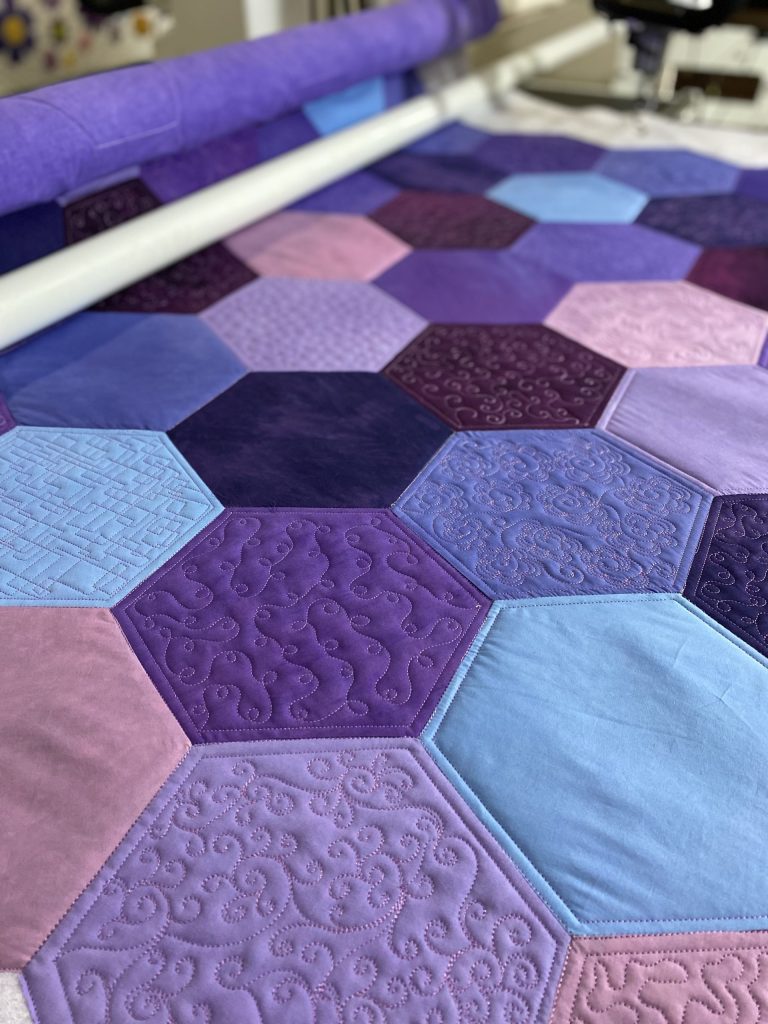
A fine thread, like 60wt, tends to sink into the quilt. It allows the quilting texture to shine without drawing attention to the stitching itself.
A heavier thread, like 30wt, sits proudly on top of the fabric and becomes part of the design. It’s perfect when you want the quilting to be seen.
Neither is better—they simply create different looks.
Using Embroidery Thread for Quilting
I happily use my machine embroidery thread for quilting.
One of my favourites is Colorful, a 40wt trilobal polyester thread with a lovely sheen. Because it’s designed for embroidery, it catches the light beautifully and gives quilting a subtle sparkle without looking over the top.
My Handi Quilter Infinity absolutely loves it.
Most machine embroidery designs are digitised for 40wt thread.
If you substitute a much thicker thread, like 30wt, without making any adjustments, you’re likely to run into problems.
The design becomes denser because the thicker thread fills more space. That can lead to:
- Thread shredding
- Poor stitch quality
- Needle friction
- Thread breaks
- In severe cases, machine jams
If you want to use heavier thread, it’s worth making a few adjustments.
- Use a larger needle (often a 100/16 for 30wt thread)
- Increase your stitch length where appropriate
- Reduce design density if you’re stitching embroidery
Your machine—and your sanity—will thank you.
Choosing Needle Sizes
Thread and needles are a team.
Generally speaking:
- 40wt thread works beautifully with a 90/14 needle
- 30wt thread often performs better with a 100/16 needle
A larger eye allows the thicker thread to move more freely while protecting it from excessive friction.
(If you’d like to know more about needles, I’ve written a separate guide that dives into needle sizes and why they matter.)
My Favourite Quilting Threads
For most of my quilting, I use Colorful trilobal polyester thread.
It was once Bernina’s preferred thread brand in South Africa before many dealers moved across to Glide.
I’ve quilted with both.
My Infinity stitches beautifully with either thread.
Interestingly, my embroidery machine seems to shred Glide more quickly than Colorful, so I stick with Colorful for embroidery and happily use either for longarm quilting.
Every machine develops its own personality, so don’t be afraid to experiment and find what yours likes best.
And Then There’s Metallic Thread…
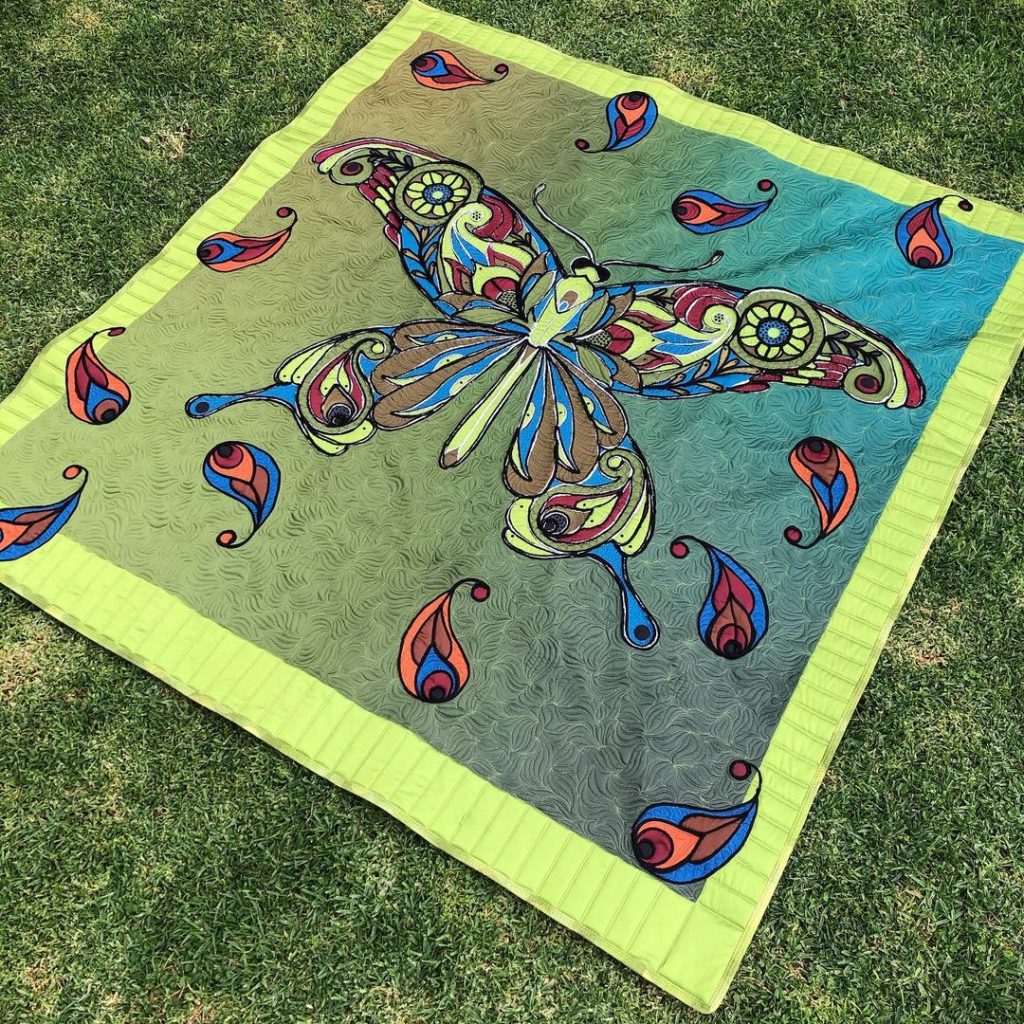
Metallic thread is absolutely gorgeous.
It adds sparkle, elegance and just a little bit of drama.
Unfortunately, I’ve never had a particularly successful relationship with it.
To be fair, I’ve only used some of the more affordable brands, so I can’t comment on the premium options. Plenty of quilters achieve stunning results with metallics, and the finished effect can be spectacular.
If you’re feeling adventurous, give it a try.
Then come back and tell the rest of us how you managed to tame the glittery beast.
Final Thoughts
The “best” thread doesn’t exist.
The right thread depends on the effect you’re trying to achieve, your machine, your needle, and sometimes simply what your machine decides it likes on any given day.
Invest in good quality thread wherever your budget allows. It reduces frustration, improves stitch quality, and helps create quilts that will still be keeping someone warm decades from now.
And that’s really what quilting is all about.